

How to Plan a Walt Disney World Vacation Strategically
A family will often reach out with excitement in their voice.
They’ve chosen possible travel dates. Resort photos have been saved. The children already have favourite rides. A Walt Disney World vacation feels close enough to picture clearly.
Then the question surfaces:
“Are we doing this right?”
Over the years, I’ve said many times that there is no single right way to have a Walt Disney World vacation. Every family is different. Every child has a different tolerance for long days, heat and stimulation. Every budget carries its own priorities.
What I hear most often, though, is something simpler. Families tell me, “We looked online and just didn’t know where to begin.” If that sounds familiar, you’re in very good company.
Since 2018, I’ve been planning Walt Disney World vacations for Canadian families, and one thing has become clear. The trips that feel calm and memorable are rarely the ones built from scattered tips, rigid spreadsheets or AI-generated touring plans. I often meet families after they’ve tried to engineer every hour of their trip, only to discover that rigidity creates friction.
Walt Disney World changes constantly. Policies shift. Availability moves. Crowd patterns evolve. Online advice, especially advice generated without real-time context, isn’t always current. A plan that looks flawless on paper can quickly unravel when a child needs a break, a flight is delayed, or energy runs low in the afternoon heat.
One moment from Disney’s Hollywood Studios has stayed with me. We were having lunch when, in the distance, a lightsaber battle unfolded near Star Tours. Music was playing and guests were gathered to watch. Facing entirely away from the stage, an older gentleman sat in a wheelchair with a two-year-old asleep on his lap.
Nothing had gone wrong. The day had simply become bigger than expected.
Planning strategically doesn’t mean scheduling every minute. It’s about understanding which early decisions shape the trip and building in space for rest and flexibility.
When those foundations are in place, families tend to feel more confident and more present once they arrive.
This guide explores how to plan a Walt Disney World vacation strategically so you can approach the process with intention rather than overwhelm.
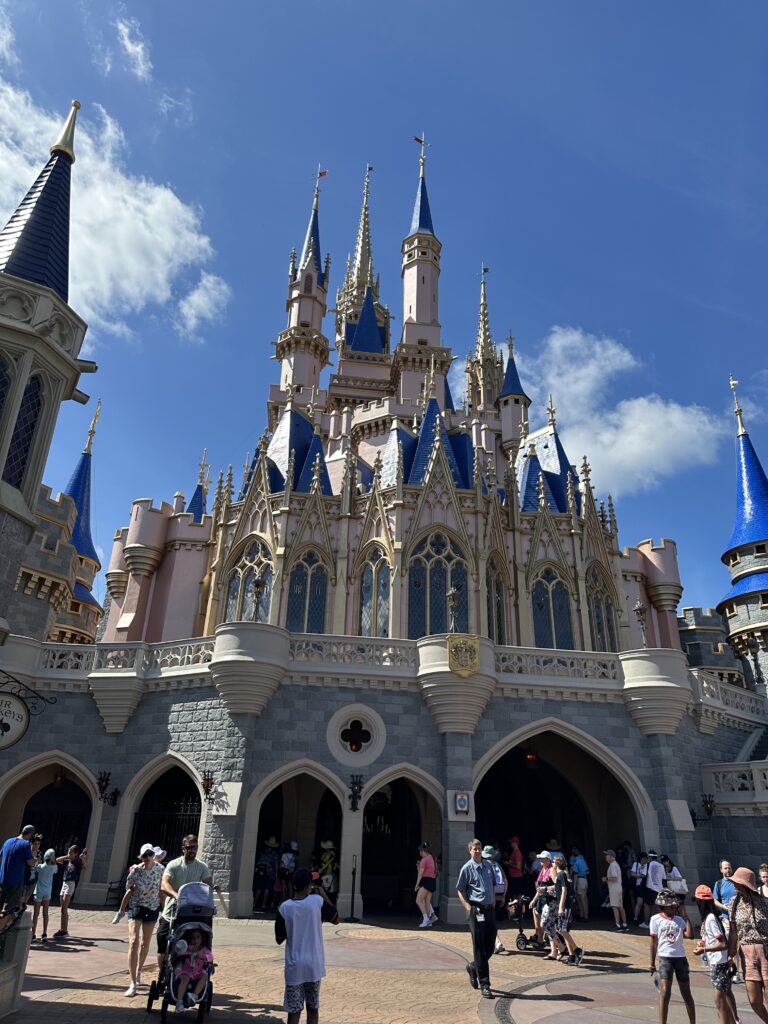
What Does It Mean to Plan a Walt Disney World Vacation Strategically?
When families first reach out, the conversation rarely begins with park days or dining reservations. It usually begins with bigger questions.
- How long should we travel?
- What feels comfortable from a budget perspective?
- Are we celebrating something special?
- Does anyone in our family have dietary restrictions or mobility considerations?
- How flexible are our dates?
Those answers shape everything that follows.
Resort choice isn’t simply about theme or price. It affects transportation time, how easy it is to step out of a park for an afternoon break and whether returning in the evening feels realistic. That flexibility becomes especially important in the Orlando heat and humidity.
I often talk with parents about building days that allow for recovery. A Walt Disney World vacation is immersive and exciting, but it is also physically demanding. Long walks, early mornings and constant stimulation gradually chip away at resilience, for children and adults alike.
Thinking about physical energy and emotional capacity before the trip begins prevents reactive decision-making once you’re there.
Budget enters the conversation early as well. For Canadian families, exchange rates are part of the equation, along with ticket types, resort categories and special offers. When multiple promotions overlap, the “best deal” isn’t always obvious. Running the numbers side by side often tells a different story.
None of these decisions stand alone. Travel dates influence pricing. Resort selection shapes logistics. Ticket structure affects how full each day needs to be.
Seeing the whole picture before locking anything in makes everything else easier to build.
Budget and Booking Foundations for Canadian Families
Budget conversations happen early, and I’m comfortable being direct about that.
Some families come with a clear cap. Others provide a range. Occasionally, someone will say, “We honestly have no idea what this costs,” and we start there.
For Canadian families, the total investment is shaped by more than just the nightly room rate. Exchange rates matter. Ticket type matters. Seasonal pricing shifts. Special offers change throughout the year, and comparing them properly takes more than a quick glance at the headline discount.
A room-only offer may look appealing, but depending on ticket structure and travel dates, another option may make more sense overall.
Ticket choices influence the experience as well. A base ticket creates a different kind of day than a Park Hopper ticket. Adding water parks changes how families think about downtime. These decisions shape how flexible the trip can feel.
When families aren’t sure where they land financially, I usually present a value, moderate and deluxe option so they can see the differences clearly. That comparison often makes the decision easier.
Every now and then, I’ll ask whether this feels like a once-in-a-lifetime trip or the beginning of something they hope to revisit. Planning alongside families as their children grow up is one of the most rewarding parts of my work.
Deposits are modest and refundable within the guidelines, which gives families room to secure dates while we refine details.
Once the financial picture is clear, the rest tends to unfold more comfortably.

Timing and Seasonality: Choosing Dates with Clear Eyes
When families ask about the “best” time to visit Walt Disney World, my first response is usually another question.
What does “best” mean for you?
For some families, the answer revolves around special events. EPCOT festivals, holiday décor, Halloween and Christmas parties, summer hours…each season offers something different.
For others, the conversation is more practical.
Many Canadian families are working around extracurricular commitments. Hockey schedules, dance competitions, and school calendars often dictate when travel is even possible. March Break is popular, but it isn’t always the simplest option.
Weather adds another layer. June through September, especially July and August, bring significant Orlando heat and humidity. Winter can be cooler than families expect. Wanting it “not too hot and not too cold” narrows the window quickly.
Seasonal pricing shifts alongside these factors. Higher-demand periods carry higher rates. Lower-demand weeks may offer pricing advantages but come with different trade-offs.
There isn’t a perfect week. There’s a week that fits your priorities.
Those early decisions tend to echo through the rest of the trip

Resort Strategy: More Than a Place to Sleep
Resort choice shapes far more than décor.
Disney’s character-driven design is intentional. From the larger-than-life icons at Value resorts to immersive storytelling at Deluxe properties, each hotel carries its own atmosphere.
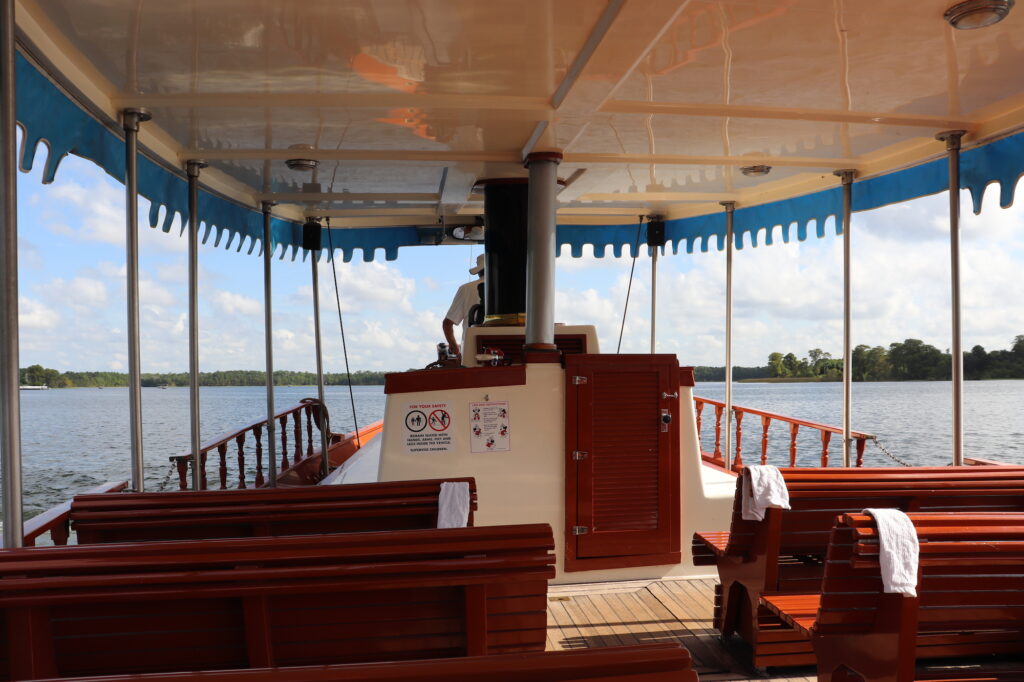
Transportation options vary. Buses service all resorts, while the Skyliner, monorail and boats are available at select properties. Those differences influence how long it takes to reach a park and how realistic it feels to return for a break.
In the Orlando heat and humidity, that flexibility matters.
Resort category affects amenities, dining, pools, recreation and on-site benefits such as early park entry.
When I present options, I’m thinking about how a family intends to use the space.
Some families are in the parks from morning until night. For them, the resort is simply a place to sleep and refuel. I plan for several frequent visitors who prefer Disney’s All-Star Resorts or Disney’s Pop Century Resort because those properties suit their style of travel.
Other families imagine slower mornings or afternoons by the pool. In those cases, proximity and amenities become more meaningful.
Your resort becomes your home base. It’s where mornings begin and where overstimulated children reset.
Prestige doesn’t determine satisfaction. Practical fit usually does.
Park Days, Rest and Realistic Expectations
Park days often take centre stage. Rope drop can be efficient and rewarding. For some families, that early start feels energizing. The question isn’t whether rope drop works. It’s how often.
Arriving early and staying for nighttime spectaculars creates long days. Add Orlando heat and 20,000 to 25,000 steps, and the toll becomes real. I’ve felt those early wake-ups myself after a long park day, and they’re not always graceful. Resilience has limits.
An early start followed by a midday break and an evening return can work beautifully. Alternating full park days with lighter ones works well too. What rarely works is stacking long days back-to-back without recovery. Excitement is wonderful. Exhaustion isn’t.

Patterns I’ve Noticed Over the Years
Certain patterns repeat themselves.
Over-scheduling is one. Colour-coded spreadsheets often leave very little margin. In practice, small delays accumulate.
Transportation time is another. Walt Disney World is expansive, and moving between locations takes longer than many expect.
Weather is frequently underestimated.
I also see families focus heavily on one element — dining reservations, for example — before the broader plan is in place.
None of this reflects poor planning. It reflects complexity.
Planning With Intention
Walt Disney World offers more options than ever before. With that variety comes opportunity and complexity.
Planning strategically doesn’t require perfection. It requires perspective. Looking at timing, budget, resort choice, ticket structure and daily expectations together allows the experience to unfold more naturally once you arrive.
Families who approach the process this way tend to feel more prepared and less likely to second-guess their decisions.
If you’re considering a Walt Disney World vacation and would like support thinking through those pieces carefully, I would be glad to begin that conversation with you. Thoughtful planning starts with understanding your family’s priorities.
Begin your Walt Disney World vacation planning here.

Leave a Reply